
Marketing
Real Estate Website Design Trends 2025: Luxury & Modern
Real estate website design trends for 2025: the modern and luxury design ideas property brands are adopting, the UX and SEO principles behind them, and pitfalls to avoid.
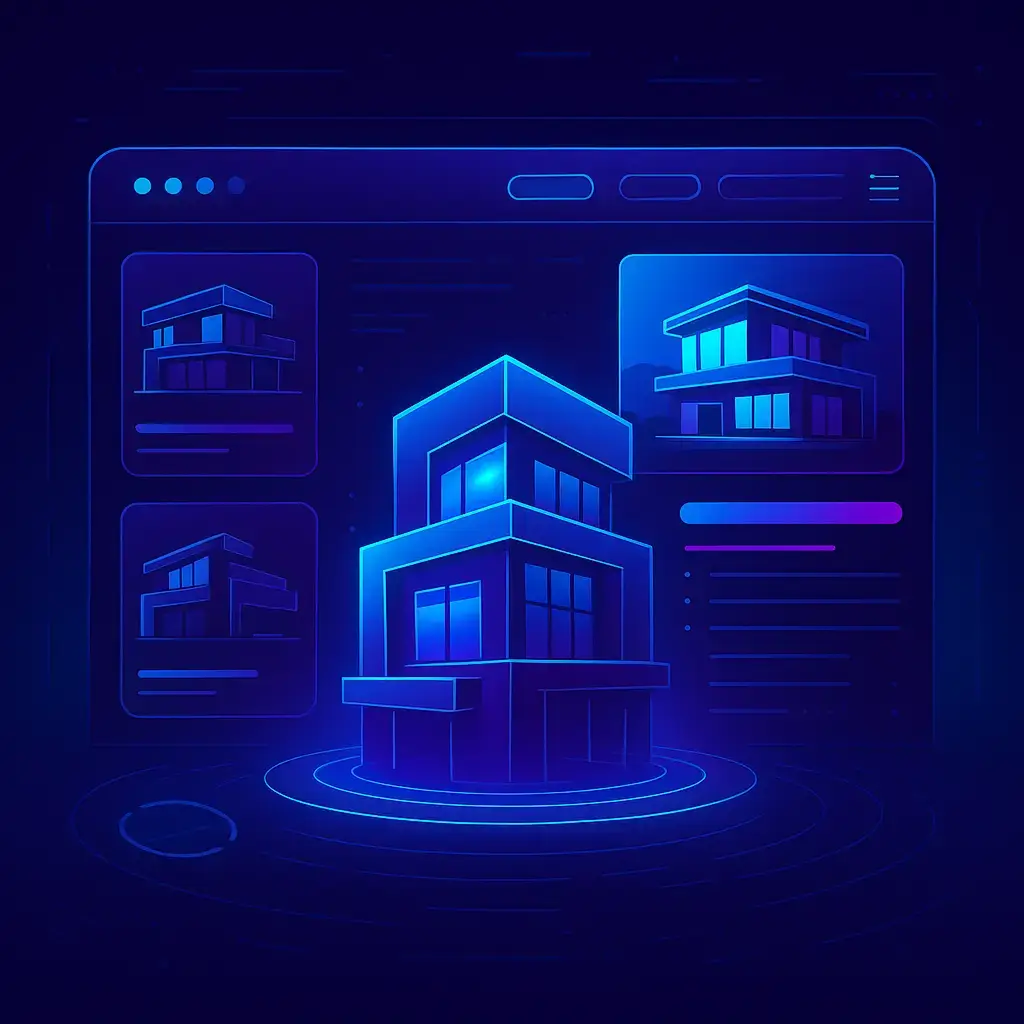
As real estate markets become more digital every year, your website often becomes the first point of interaction with potential clients. In 2025, property seekers expect seamless online experiences, intuitive navigation, and rich visuals. A poorly designed platform can drive away leads, while a modern user centric website enhances trust, engagement, and conversions. For real estate companies, investing in innovative web design is no longer optional. It is a core business strategy.
Why Website Design Matters for Real Estate in 2025
Your website is the digital face of your real estate brand. In an industry where decisions are influenced by emotion and visual appeal, a well designed website helps build credibility instantly. Buyers and investors expect smooth browsing, accurate information, and an experience that feels effortless. Ignoring modern design standards may lead to lost leads, reduced engagement, and lower conversions.
Emerging Design Trends Real Estate Brands Must Adopt
Mobile First Always
With mobile browsing dominating user behavior, real estate websites must prioritize responsive design. Listings, images, maps, and inquiry forms should display smoothly across smartphones and tablets. Fast loading content, tap friendly buttons, and adaptive layouts are essential for converting mobile users.
Image and Video Centric Layouts
High quality visuals are crucial in real estate. Use immersive galleries, drone images, and 360 degree tours to create impact. Homepage banners showing featured neighborhoods or premium listings attract attention and encourage deeper engagement.
Smart Filters and Search Tools
Intelligent search filters help users find properties quickly. Include location radius, price sliders, amenity tags, map based searches, and autocomplete features. These tools simplify the user journey and boost conversions.
Personalized User Experiences
Modern real estate platforms use AI driven personalization to tailor the user experience. Show recently viewed listings, recommend similar properties, or offer neighborhood guides based on browsing behavior. Personalization helps build trust and increases engagement.
UX and SEO Principles for Real Estate Websites
Site Speed and Core Web Vitals
Fast loading websites rank better and deliver smoother user experiences. Optimize images, enable caching, and use lightweight code to meet Core Web Vitals. A quick loading website reduces bounce rates and increases lead conversions.
Accessibility Standards
Ensure your site follows WCAG guidelines. Use readable fonts, alt tags for every image, strong contrast, and keyboard navigability. Accessible websites widen your audience and build customer trust.
SEO Optimized Content Structures
Organize pages and listings using clear H1s, metadata, and internal links. Add schema markup for properties and create geo focused pages for local SEO. These techniques improve visibility and attract organic traffic.
Future Ready Features for Real Estate Sites
AI Chatbots and Virtual Assistance
Automated chat tools offer twenty four seven support, answer common questions, and qualify leads. In 2025, AI powered bots can recommend listings, book viewings, and hand over complex queries to agents instantly.
CRM and Lead Management Integration
Integrate your website with CRM systems to streamline your sales funnel. Track user behavior, manage inquiries, and automate follow ups. CRM integration improves operational efficiency and lead conversions.
Interactive Maps and Virtual Tours
Interactive maps, neighborhood heatmaps, and three dimensional walkthroughs allow users to explore properties in detail. These features increase engagement and help buyers visualize lifestyle benefits.
Web Design Pitfalls Real Estate Firms Should Avoid
Avoid slow loading pages, outdated layouts, and cluttered navigation. Do not use intrusive popups or autoplay videos that disrupt user experience. Keeping listing data updated is critical for credibility. A clean, consistent design with accurate content builds trust and encourages action.
Final Thoughts on Website Innovation for 2025
Real estate companies that embrace smart digital design will lead the market in 2025. Your website is more than just aesthetics. It is your digital storefront, lead generator, and brand identity. By adopting future focused design trends and avoiding common pitfalls, your agency can stay competitive and future proof its online presence.
Frequently Asked Questions (FAQs)
Mobile first layouts, AI chatbots, virtual tours, CRM integration, and fast loading pages are essential for modern real estate websites.
Better UX, clear calls to action, and personalized content encourage users to inquire or schedule viewings, directly improving lead generation.
Yes. Virtual tours offer immersive experiences and help users visualize properties more effectively, reducing drop offs.
Clean architecture, fast page speed, structured data, and keyword optimized content contribute to strong SEO performance.
Regular updates to listings, visuals, and blog content keep your website relevant, accurate, and search engine friendly.
Where this fits
The service
Website Development
Sites and platforms with the search structure already in them, built by one team from design to live.
How we do website developmentThe proof
Real Estate Website Development
Property websites, broker dashboards and lead automation for agencies, developers and property brands.
See Real Estate Website Development