
SEO
10 Features for a High-Converting Real Estate Website
Explore ten must have features every high converting real estate website needs. Turn visitors into qualified leads with smart design and functionality.
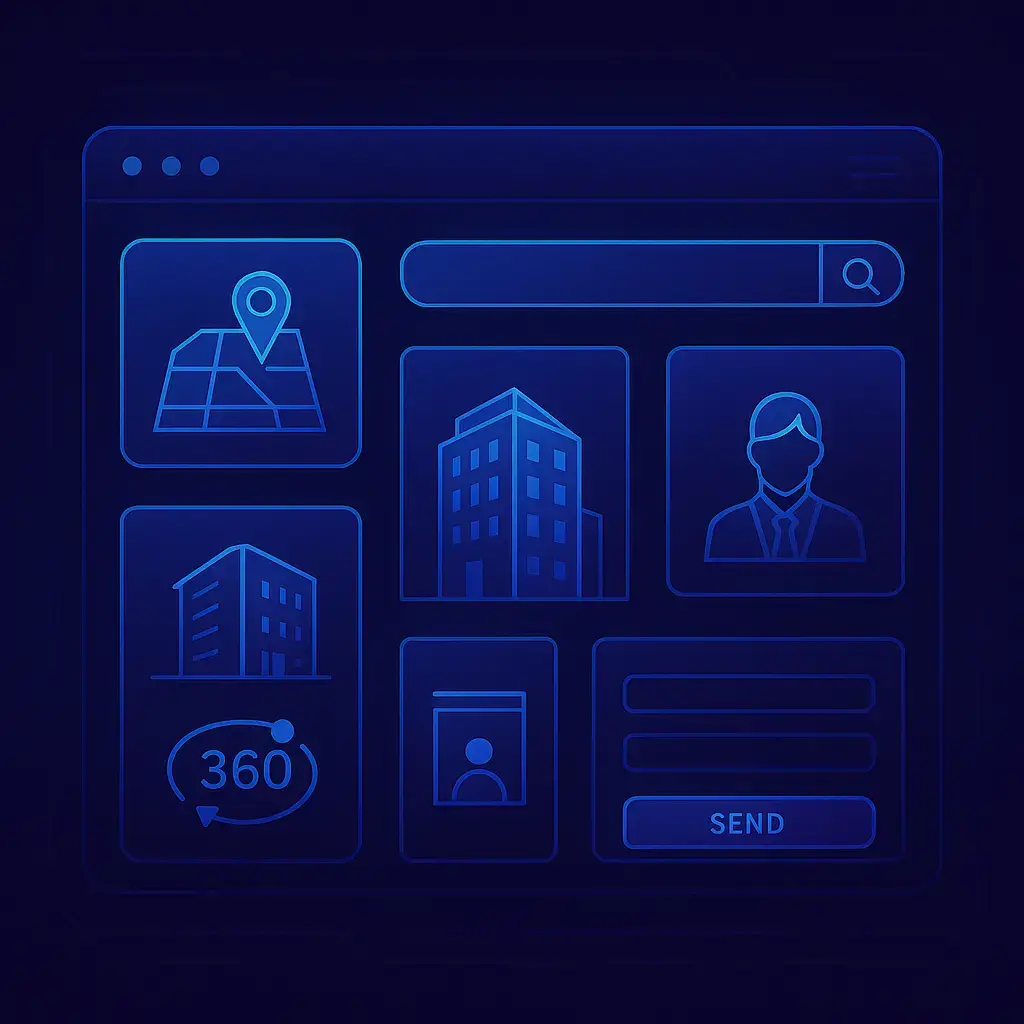
A real estate website is not just about displaying properties. It must actively generate and convert leads. In 2025, users expect smooth experiences, relevant information, and instant ways to take action. A high converting website combines smart design with functional tools that guide visitors from browsing to booking. Below are ten essential features every successful real estate website should implement.
Why Real Estate Websites Need Conversion Focused Features
Your real estate website plays a central role in client acquisition. A strong design paired with functional tools can directly influence user engagement and inquiry rates. When visitors find it easy to browse listings, explore visuals, and contact agents, they are far more likely to convert into qualified leads.
The Ten Essential Features That Drive Real Estate Conversions
1. Mobile Optimized Responsive Design
With most property searches happening on smartphones, a mobile optimized layout is critical. Ensure your website adjusts smoothly across different devices. Fast loading pages, touch friendly elements, and clear layouts make it easier for users to explore listings and send inquiries.
2. High Quality Property Imagery and Virtual Tours
Images are the first thing users notice. Use high resolution photos, three hundred sixty degree tours, and video walkthroughs to build trust and improve engagement. These visual elements help buyers imagine themselves in the property and encourage lead submissions.
3. Smart and Predictive Search Functionality
Users expect to filter properties by location, price, amenities, and more. Predictive search bars with autocomplete suggestions help simplify navigation. These features help users find what they want faster and stay longer on your website.
4. Fast Page Load Speed and SEO Optimization
A slow website reduces user satisfaction and search engine visibility. Optimize images, use caching, and implement clean code for faster performance. Combine this with strong metadata, internal links, and structured data to improve both SEO and lead flow.
5. Sticky Contact and Inquiry CTAs
Calls to action must be visible at all times. Use sticky banners, floating buttons, or fixed headers with options such as Schedule a Viewing or Contact Agent. These elements help users reach out quickly without searching for contact options.
6. Integrated CRM for Lead Management
Integrating your website with a CRM ensures that every inquiry is captured and organized. Automated email responses, lead segmentation, and tracking tools help your sales team follow up efficiently and improve closing rates.
7. Social Proof Elements Like Reviews and Testimonials
Client reviews, ratings, and success stories build trust and reassure hesitant buyers. Place testimonials near calls to action or on listing pages to increase conversion potential.
8. Neighborhood and Area Information
Buyers care about more than the property itself. Include details about schools, transport, shopping, and lifestyle benefits. Use interactive maps and neighborhood guides to help users understand the surrounding area.
9. Lead Magnet Tools Like Downloads or Calculators
Offer mortgage calculators, downloadable buyer guides, or checklist PDFs. These tools provide value and encourage users to share their contact details, helping you build a stronger lead database.
10. Analytics and Conversion Tracking Setup
Use Google Analytics, Tag Manager, and heatmaps to understand user behavior. Track which listings perform best, how users move across pages, and which calls to action convert. This data helps refine your website and improve lead generation.
Final Thoughts on Website Conversion Strategy
A real estate website must do more than look attractive. It must guide users toward action. By implementing features that improve navigation, build trust, and simplify communication, you can transform your website into a powerful lead generation tool.
Frequently Asked Questions (FAQs)
Mobile responsiveness and fast loading speed have the biggest immediate impact on user retention and conversions.
Yes. Virtual tours are essential for high value properties and significantly increase user engagement.
Use conversion tracking to monitor click through rates and form submissions. A B testing different CTA placements also helps improve results.
Yes. CRM integration ensures timely follow ups, organized leads, and better closing rates.
Audit your website every six to twelve months. Update outdated elements and add new features based on user behavior.
Where this fits
